
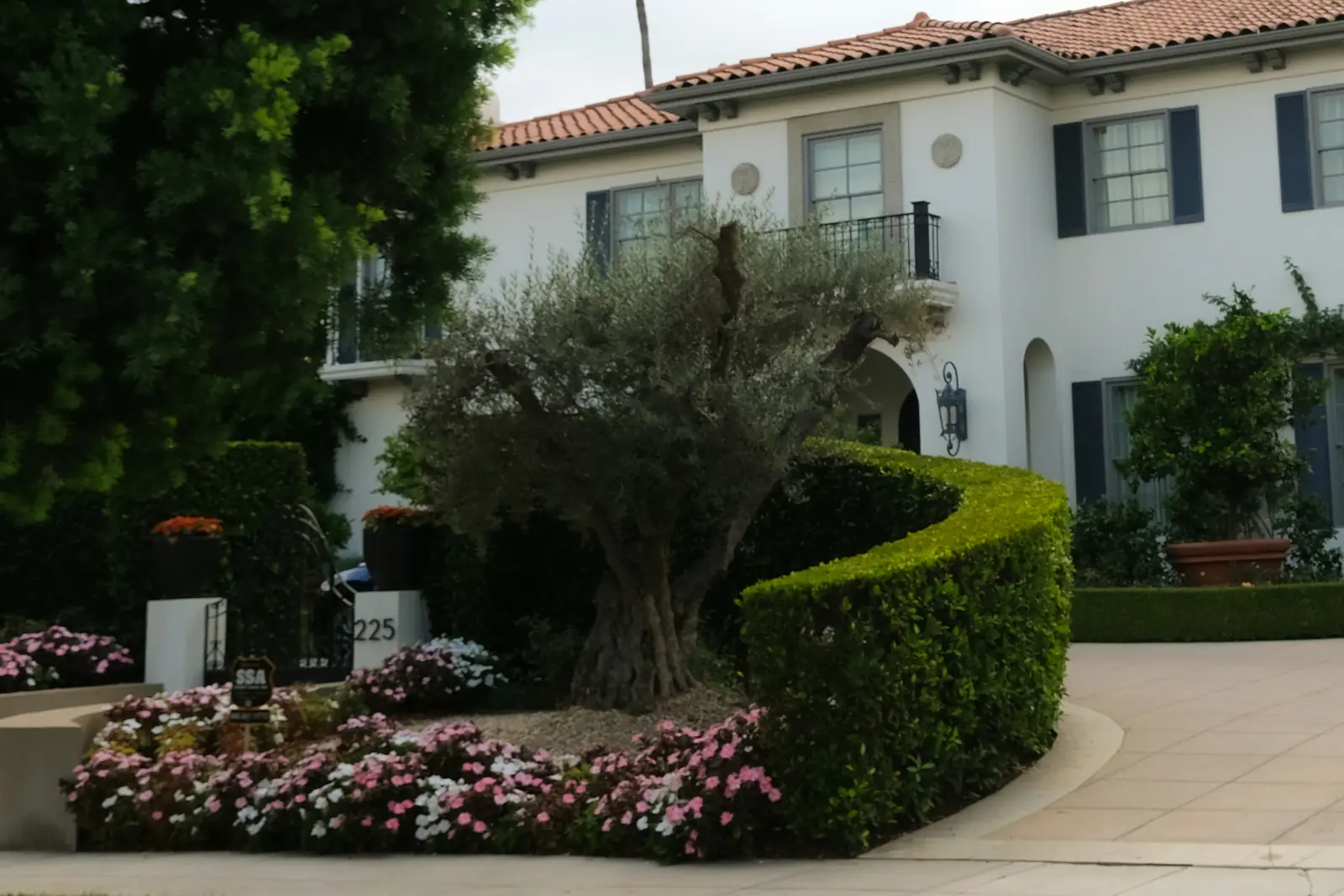
Landscaping Marketing: How to Grow Your Business Online
This guide is for owners of landscaping and lawn care companies who want more of the right customers without guessing where the money should go. Landscaping marketing today is mostly about one thing: showing up when someone nearby searches for the work you do, then giving them every reason to call you instead of the next truck.
I ran a lawn and landscaping business before I built websites, so this is written from both sides of the trailer. It covers your website, ranking on Google, the map, reviews, where new customers come from, keeping the ones you have, and what to do first if you can only afford one thing.
What is landscaping marketing?
Landscaping marketing is everything that gets a homeowner or property manager to find you, trust you and ask for a quote. For most local crews that means a website that shows your work, a strong Google Business Profile, a steady flow of reviews, and a simple way to request service.
Flyers and yard signs still have a place, and I'll cover them. But the first thing most people do before hiring a landscaper is look you up on their phone. If what they find is thin, the job goes to whoever looks more established, even if your work is better.
It's a system, not a single project. A website, a Google profile and a review habit feed each other. Fixing one while ignoring the others leaves most of the benefit on the table.
From Collin
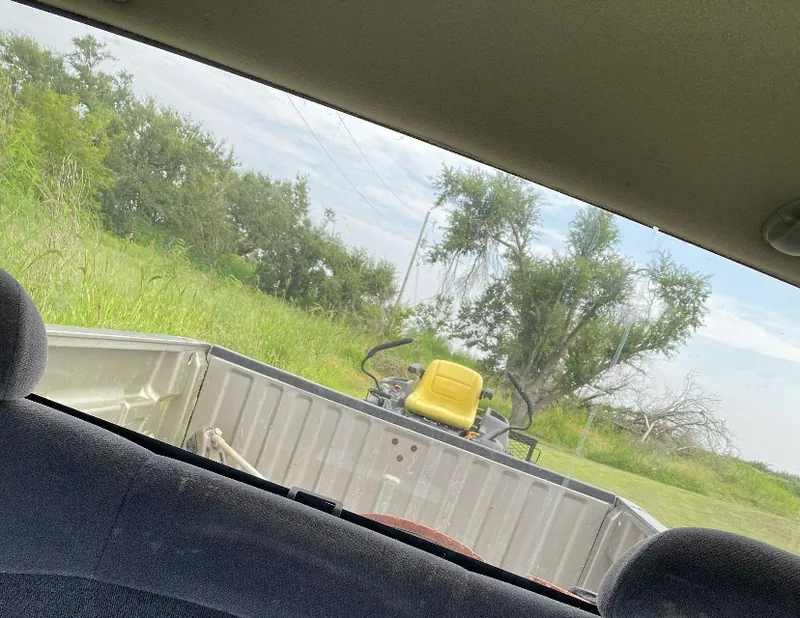
My first business was a push mower. I was 15, and my dad drove me from yard to yard. At 17 I added power washing, saved up for a zero-turn, and later bought out another landscaping company and ran it until I was 22. Most of my customers came from word of mouth. That still works, but today the neighbor who hears about you looks you up before calling.
How do homeowners find a landscaper today?
Most start with a search on their phone, like "lawn care near me" or "landscaper in [town]". They look at the map results first, check reviews and photos, then call or request a quote from two or three companies. Referrals still happen, but they get checked online too.
Two kinds of buyers. Someone who wants weekly mowing is looking for a crew that shows up on time and answers the phone. Someone planning a new bed, sod or a full yard makeover is looking at photos and wants to see you've done work like theirs. Your marketing has to speak to both.
Timing matters. Demand bunches up in spring and fall. The companies that are easy to find before the rush get the first calls, and those first calls often turn into a whole season of work.
How does Google decide which landscapers show up?
Google says local results are based mainly on relevance, distance and prominence. Relevance is how well your profile matches the search. Distance is how close you are to the person searching. Prominence is how well known you are, which includes your reviews and links to your website.
That comes straight from Google’s help page on local ranking, which also says more reviews and positive ratings can help your local ranking, and that there's no way to pay for a better spot.
In plain terms: say clearly what you do and where (relevance), make sure Google knows the towns you actually cover (distance), and keep earning reviews and mentions (prominence). You can't move the customer closer, so the other two are where the work goes.
What should a landscaping website have?
A landscaping website should say what you do and where on the first screen, show real photos of your work, give each main service its own page, and make it easy to call or ask for a quote from a phone. Separate weekly maintenance from one-time projects so each customer finds their path fast.
- Your service and town on the first screen
- Tap-to-call and a quote button on every page
- A page for each main service
- Real photos, ideally before and after
- Maintenance plans kept apart from install projects
- Real reviews from real customers
- The towns you actually cover
- A short quote form that works on a phone
Phones matter most. Google says it uses the mobile version of a site for indexing and ranking, so a site that only looks right on a computer is working against you.
Every item, with examples, is in our post on landscaping website design. If you'd rather have it built for you, see our websites for landscapers.
See the patterns behind the best landscaping websites, and what to budget in landscaping website cost.
For weekly mowing customers, here are the lawn care website must-haves for online sign-ups.
How do you rank higher on Google as a landscaper?
Start by making your website say the service and the town, not just your business name. Then build a real page for each main service and each area you actually work in, keep your Google profile complete, and keep reviews coming. Those basics beat most tricks.
The most common problem I see is a homepage that only shows the company name. People search for the work, like "sod installation" or "lawn care in Sulphur", not your name. If your hero doesn't say what you do and where, a newer company that knows this can take those searches from you.
Our full guide to SEO for landscapers covers headings, service pages, which towns deserve a page, and how long it takes. Or see our local SEO service.
For working in more than one town, read about landscaping service area pages.
How do you get your landscaping business on Google Maps?
You get on Google Maps with a verified Google Business Profile. Use your real business name, pick the category that matches your main service, set the towns you serve, list your services, and add real photos. Then keep it active with new photos, posts and reviews.
Most landscapers run the business from home, so you'll set yourself up as a service-area business and hide your home address. Google's guidelines explain how, and they're strict about names: no extra keywords stuffed into your business name.
Step-by-step setup, the right category and what to post are in our Google Business Profile guide for landscapers.
Why do Google reviews matter so much for landscapers?
Reviews decide both whether you show up on the map and whether people pick you. A crew with a few hundred reviews will usually beat a crew with twenty, even if the smaller one has the nicer website. And since you're at the same houses every week, you have more chances to ask than most trades.
- 97%read reviews for local businesses
- 74%look for reviews from the last three months
- 47%won't use a business with fewer than 20 reviews
Recent reviews matter most, so a burst of reviews once a year doesn't do much. You want a steady trickle all season.
When and how to ask, what you can't do, and how to automate it are all in our post on getting more Google reviews. Or have us handle it with Google reviews management.
Where do new landscaping customers come from?
The cheapest new customers live next door to the ones you already have. After that come referrals, your Google profile and website, and lawn care apps. Paid ads and lead sites can top up a slow week but get expensive as your main source.
| Source | Good for | Watch out for |
|---|---|---|
| Neighbors of current customers | Tight routes, low cost | HOA sign rules |
| Referrals | Customers who already trust you | They still check you online |
| Google profile and website | Steady calls you own | Takes a few months to build |
| Lawn care apps | Filling gaps in a route | Fees and price shopping |
| Paid ads and lead sites | Quick volume | Cost per job adds up |
Our post on how to get more landscaping customers goes through each one, including what the apps charge and how to win the street you already mow.
Weighing the apps? Here is how GreenPal, LawnStarter and Angi compare for lawn care leads.
Considering Google's pay-per-lead ads? See Local Services Ads for landscapers.
How do you keep landscaping customers coming back?
Turn one-time jobs into a plan, remind customers about seasonal work before they think of it, and make paying and rebooking easy. A customer who stays for years is worth far more than one cleanup, and costs nothing to find again.
Offer the next step on the spot. At the end of a spring cleanup, offer weekly mowing. When you finish a new bed, offer mulch refresh in the fall. Most people say yes when it's already in front of them.
Send the reminder first. A short text in late summer about aeration and overseeding, or in fall about leaf cleanup, books work before the customer starts calling around.
Be easy to reach. The fastest way to lose a weekly customer is a missed cut nobody explained. A quick text when weather pushes the route a day goes a long way.
The slow months are when next season gets booked; see landscaping off-season marketing.
Keeping customers also means charging enough. Here's how to raise lawn care prices without losing customers.
If you can only pay for one thing, what should it be?
It depends on whether you need calls now or want to build calls over time. If you need them now, focus on Google Maps, and the fastest lever there is a review system. If you're playing the long game, an optimized website keeps working for years.
Need calls now
- Get on the map with a complete profile
- Set up a review system so every customer is asked
- Post photos of fresh work with the service and town
Building for the long run
- An optimized website with a page per service
- Pages for the towns you really work in
- Keep adding real project photos
From Collin
Ask yourself one question: do you need calls right away, or do you want to grow them over time? If it's right away, ranking on Google Maps is the fastest route, and a review management system is the best way to get there. It shows Google you're a real, active business. If you're playing the long game, an optimized website is the best thing you can have. The right SEO can keep you at the top for years, which is basically free marketing.
How long does landscaping marketing take to work?
A complete Google profile and a steady flow of reviews can start moving you on the map within weeks. Website rankings usually take a few months, often three to six, and sometimes longer in a busy market. Starting before the spring rush gives it time to work.
Speed depends on your town, how many competitors are doing this well, and how much there is to fix. Be wary of anyone who promises a specific ranking by a specific date; Google doesn't sell rankings, so nobody can guarantee one.
What landscaping marketing can't fix
Marketing brings people to the door. It can't fix missed cuts, slow replies, sloppy edges or prices that don't cover your costs. If the work or the follow-up is the problem, more leads just means more people disappointed faster.
Before spending on marketing, make sure you can answer new requests the same day and actually fit the work into your routes. A great website with a full voicemail box wastes every call it brings in.
If you also build patios, walls or walkways, that side of the business sells differently. Our hardscape marketing guide covers it.
Where should you start?
Make sure your Google profile is complete and verified, start asking every customer for a review, and fix the first screen of your website so it says what you do and where. Those three steps cost little and help right away.
Then build out service pages, add the towns you really cover, and keep adding photos through the season. If you'd like a second set of eyes on what's costing you calls, book a free strategy call. There's no charge, and booking doesn't commit you to anything.
Frequently asked questions
How much should a landscaping company spend on marketing?
There's no single right number. Start from what a customer is worth over a season, decide what you'd pay to win one, and track where each new customer came from so you can move money to what works. Our monthly plans include the website and are $389.99 (Launch) or $778.99 (Scale) a month.
Do landscapers need a website if they have Facebook?
Yes. Facebook is fine for showing off work, but you don't control who sees it, and people searching Google for a landscaper land on websites and map results. A website is the one place you own.
Should I run Google Ads for my landscaping business?
Ads can bring calls fast, but they stop the moment you stop paying. They work best on top of a solid website and profile, not instead of them.
Is marketing lawn care different from marketing landscape installs?
Yes. Lawn care sells on reliability and price over a season. Installs sell on photos and trust for one bigger job. Give each its own page and its own quote form.